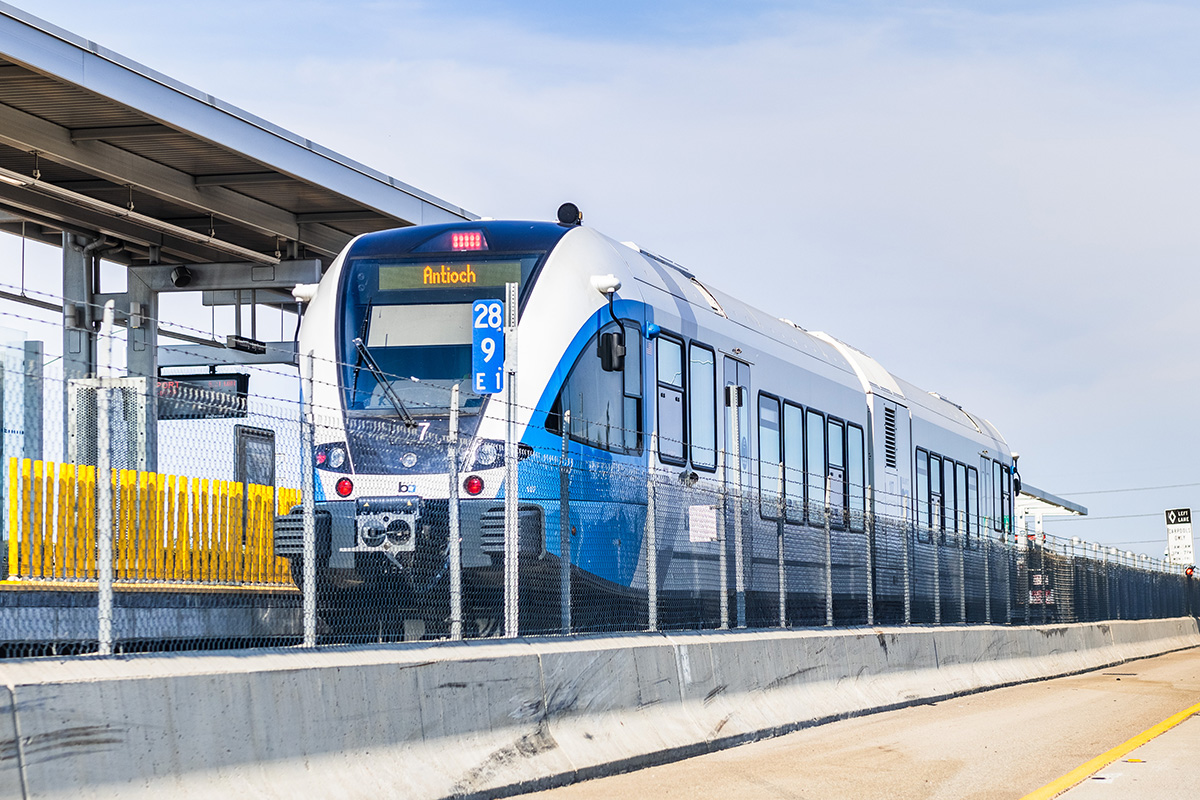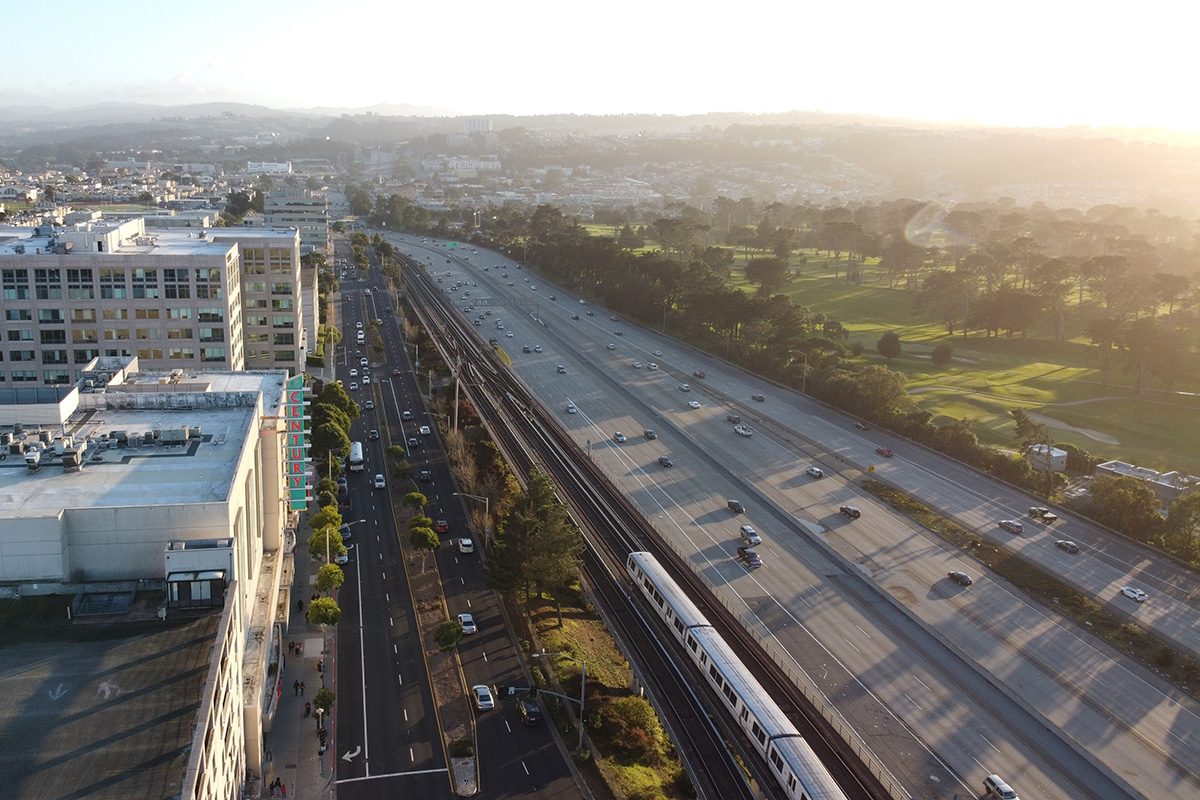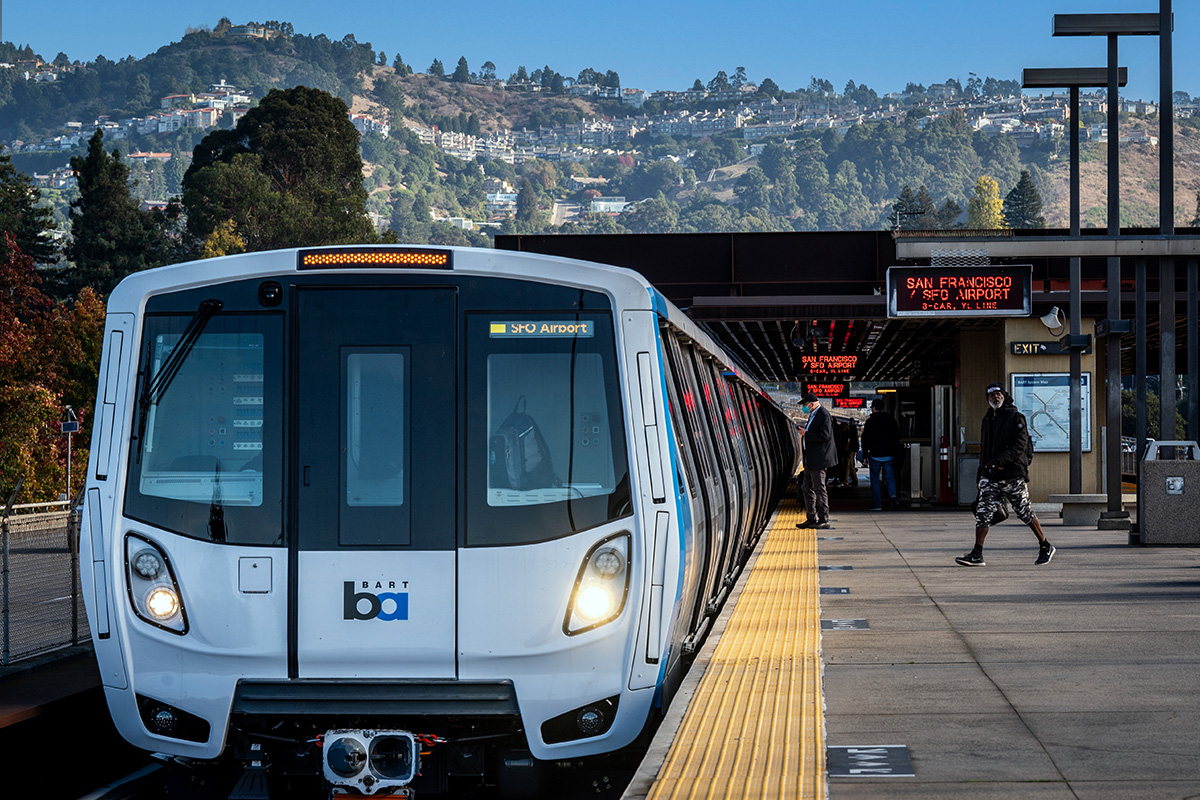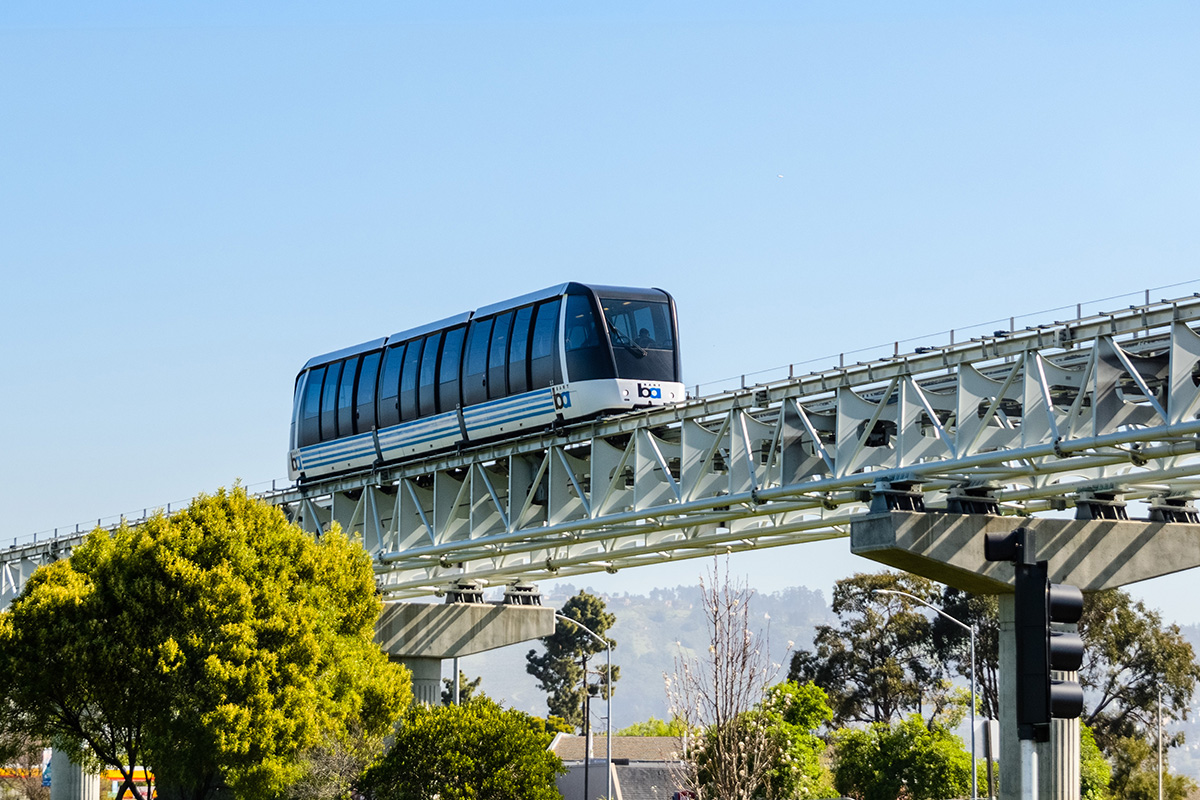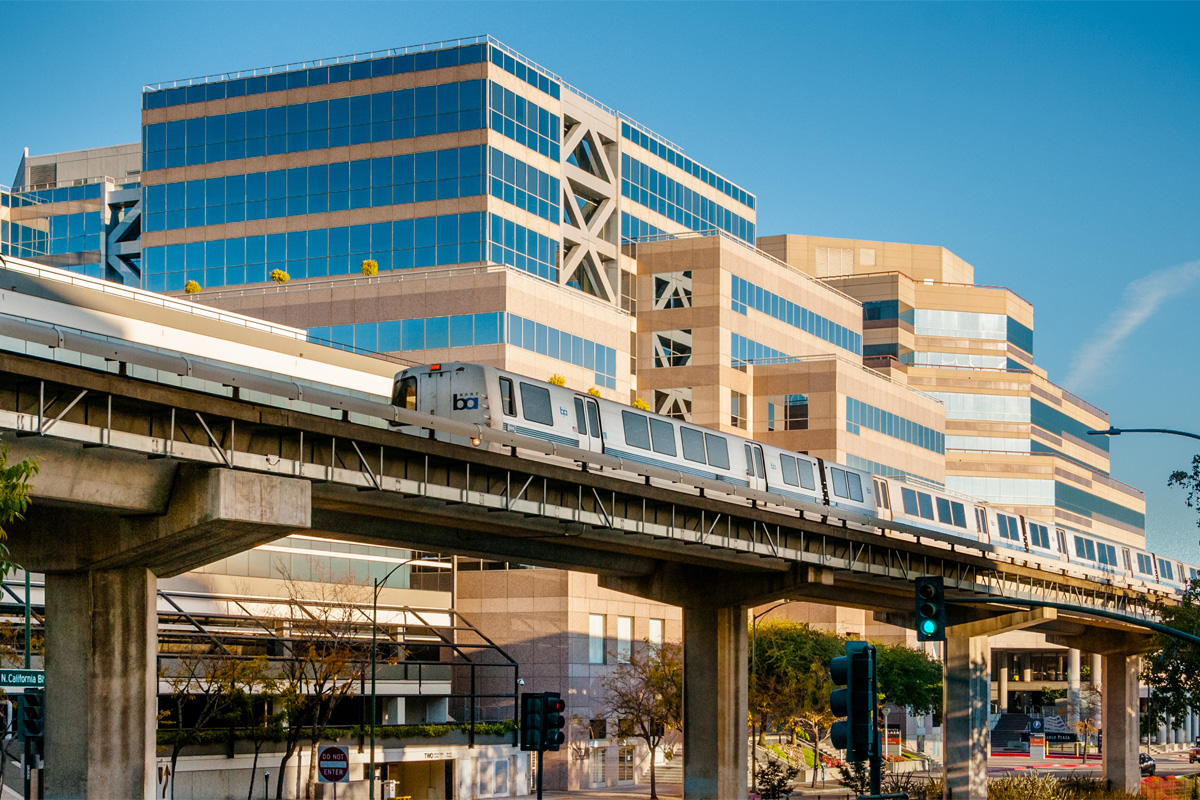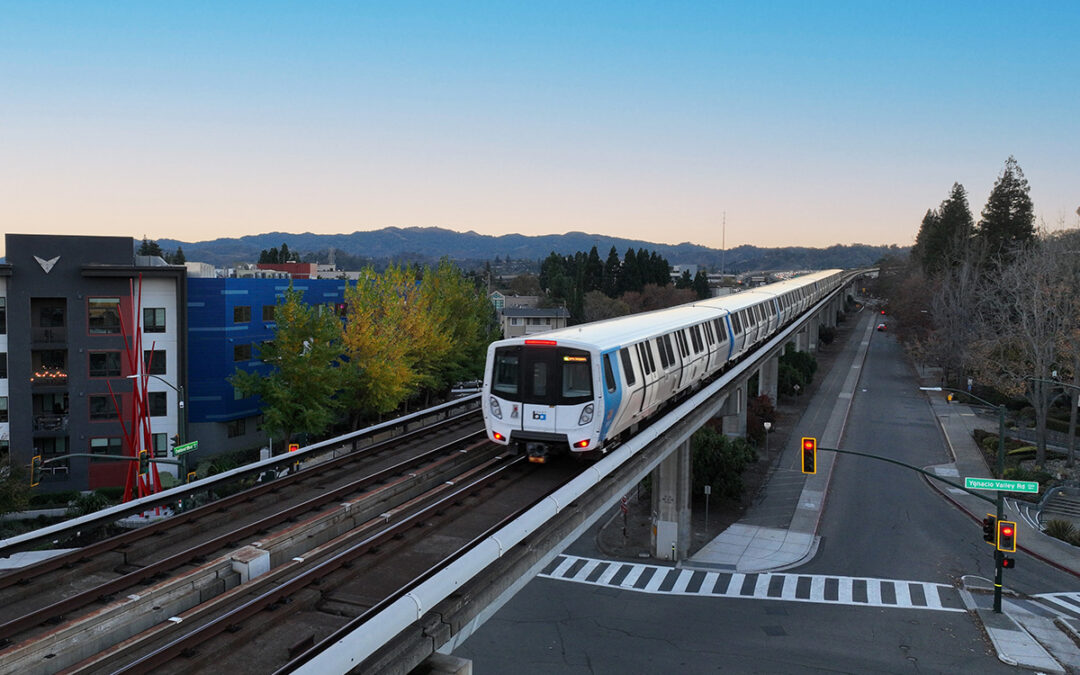
Oakland, California – The East Bay Economic Development Alliance (East Bay EDA) is pleased to announce the selection of the San Francisco Bay Area Rapid Transit District (BART) as the Legacy Awardee for the 2026 East Bay Innovation Awards.
The East Bay Innovation Awards is the premier program of its kind that celebrates and honors the extraordinary companies and organizations that contribute to the East Bay’s legacy of innovation. For more than a decade, this annual awards ceremony has showcased outstanding companies and organizations from Alameda and Contra Costa Counties. As a part of this event, East Bay EDA recognizes a “Legacy Awardee” to acknowledge a company or organization that has had an enduring and meaningful impact on the people who live and work here in our region.
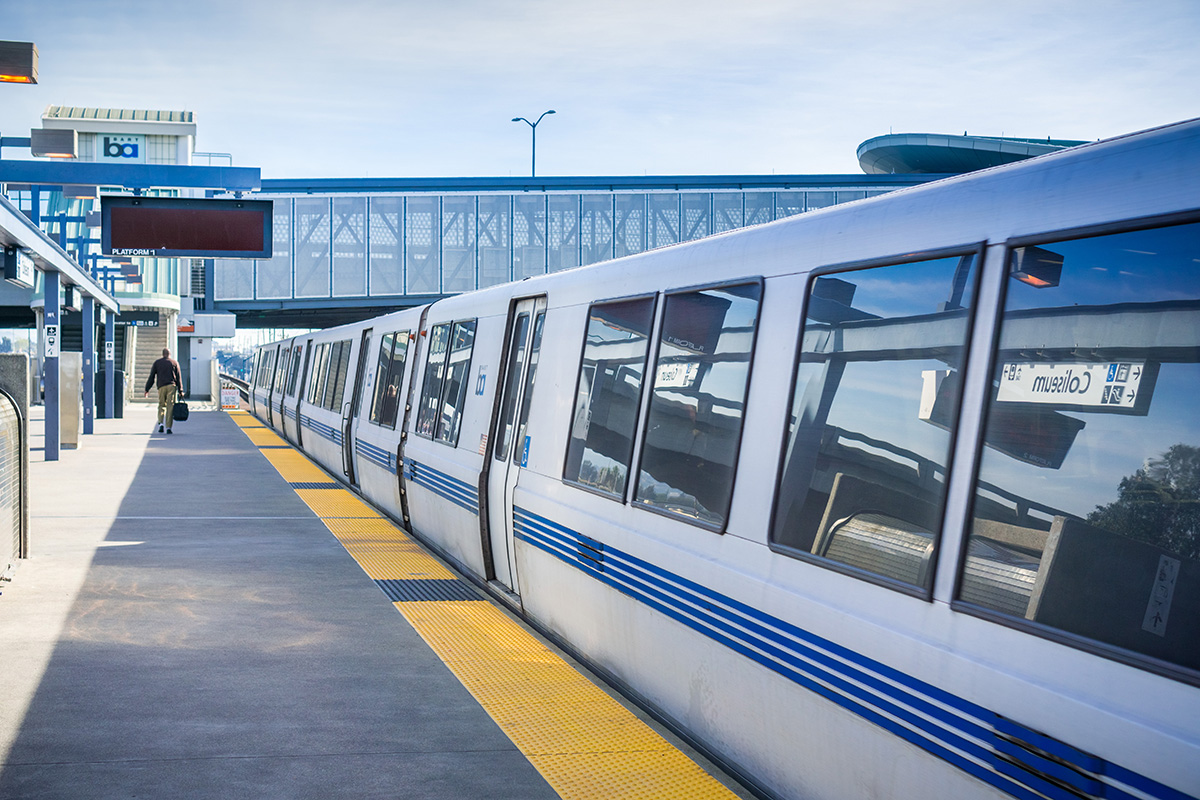
Since its first trains rolled out in 1972, Bay Area Rapid Transit (BART) has been far more than a commuter rail system. For the East Bay—an area defined by its vibrant cities, economic dynamism, and diverse communities—BART has functioned as an engine of innovation, shaping not only how people travel but also how the region grows, works, and imagines its future. Today, more than 50 years later, BART’s legacy continues to influence infrastructure planning, environmental policy, and urban development across the East Bay in profound and enduring ways.
“We are thrilled that BART is being recognized as the Legacy Awardee at this year’s East Bay Innovation Awards,” said BART General Manager Bob Powers. “Innovation is one of the driving forces that not only enabled the construction and development of the system itself, but it’s core to how it has evolved and grown over the years, such as our recently launched next generation Clipper system, which allows riders to pay fares using contactless credit and debit cards and mobile payment methods.”
From the beginning, BART was revolutionary. Conceived during an era when most American cities were doubling down on automobiles and freeways, the system broke new ground with its commitment to high-speed electric rail, automated train control, and an ambitious regional vision. For the East Bay, where mobility had long been limited by car dependence and geographic barriers, BART offered a seamless connection to job centers and cultural destinations throughout the Bay Area. The Transbay Tube, in particular, symbolized a new kind of regional unity, linking Oakland and San Francisco with a level of speed and reliability never before possible.
BART’s technological innovations set standards that continue to shape transit systems worldwide. Early on, its use of automatic train operations, centralized computer monitoring, and wide-gauge tracks was considered groundbreaking. While some of these choices created challenges later, they reflected a willingness to take risks in pursuit of a cutting-edge, future-oriented transit model. These decisions placed the East Bay at the forefront of transit modernization in the United States during a period when many cities were disinvesting in rail altogether.
BART’s legacy goes far beyond engineering. In the East Bay, the system has been a catalyst for transit-oriented development (TOD), encouraging higher-density, walkable, and mixed-use communities around stations. Cities like Walnut Creek, Oakland, Pleasant Hill, Fremont, and Emeryville have seen significant transformation as new housing, retail, and business developments evolved near BART hubs. These changes have helped reduce car dependency, stimulate the local economy, and create more vibrant cities and communities. At a time when housing affordability and sustainable growth are among the Bay Area’s most pressing challenges, BART’s role in shaping land-use priorities is more important than ever.
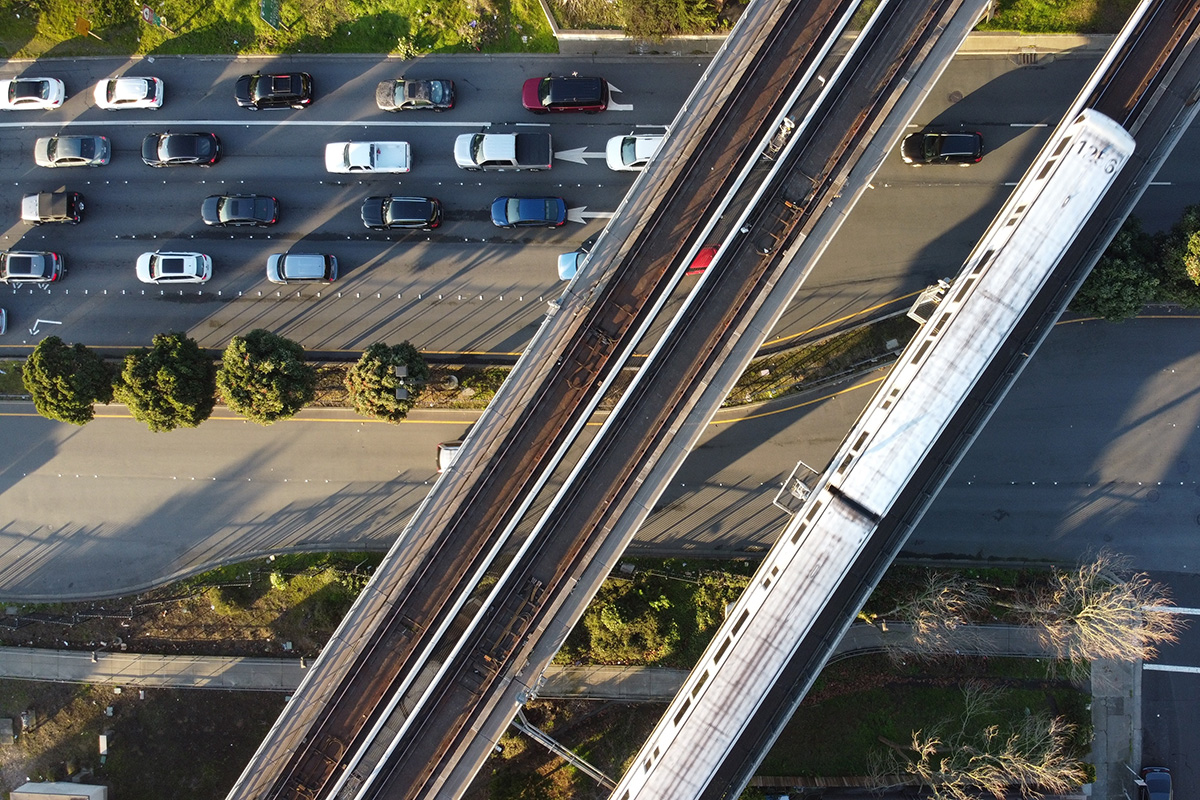
BART has also played a major environmental role in the East Bay’s evolution. By providing a clean, electric alternative to freeway commuting, the system has prevented millions of car trips annually. Reduced emissions, less congestion, and improved air quality are part of its ongoing contribution to regional sustainability. As the Bay Area continues to respond to climate change, BART’s commitment to renewable energy, fleet modernization, and energy-efficient infrastructure demonstrates that large-scale transit systems can lead in climate-conscious innovation.
Perhaps less visible, but equally important, is BART’s social and cultural impact on the East Bay. The system has helped knit together communities that might otherwise remain isolated by distance or economic divides. Affordable mobility links students to schools, workers to jobs, and residents to cultural activities across the region. Stations serve as community centers, creative canvases for public art, and crucial spaces during emergencies. In many East Bay cities, BART is not just transportation—it’s part of the local identity.
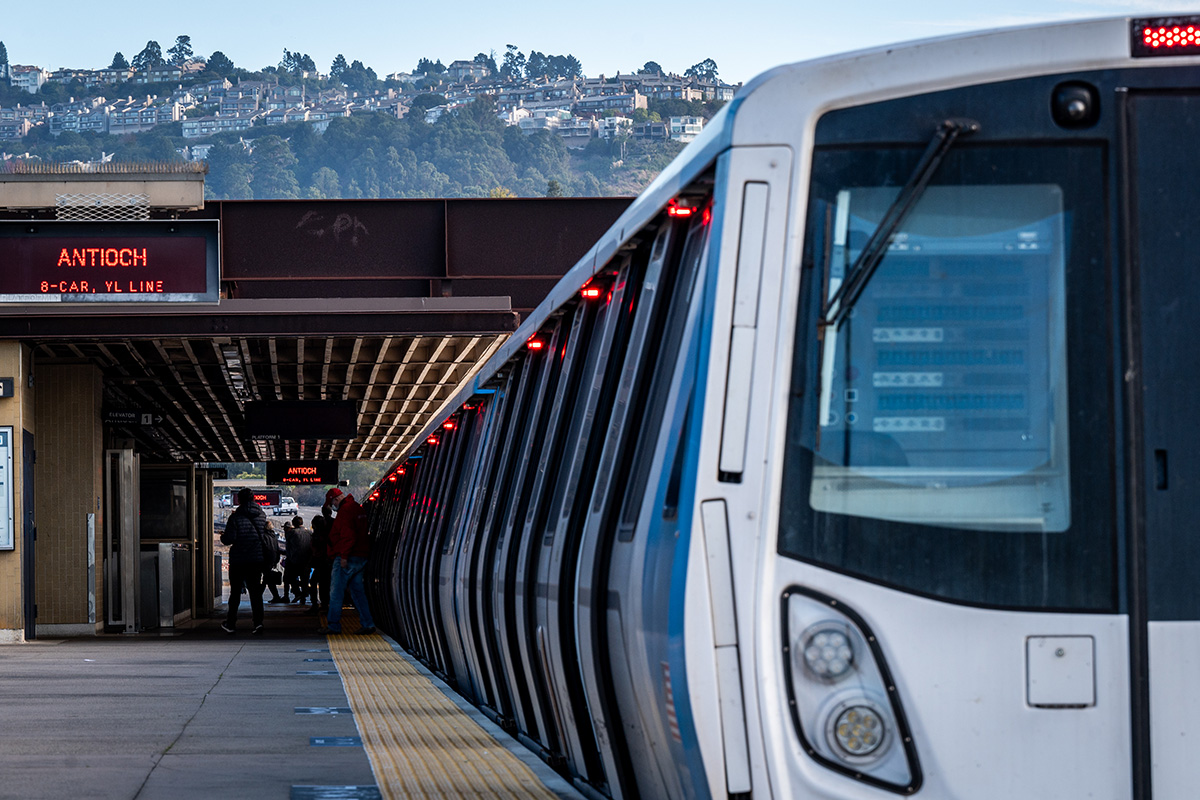
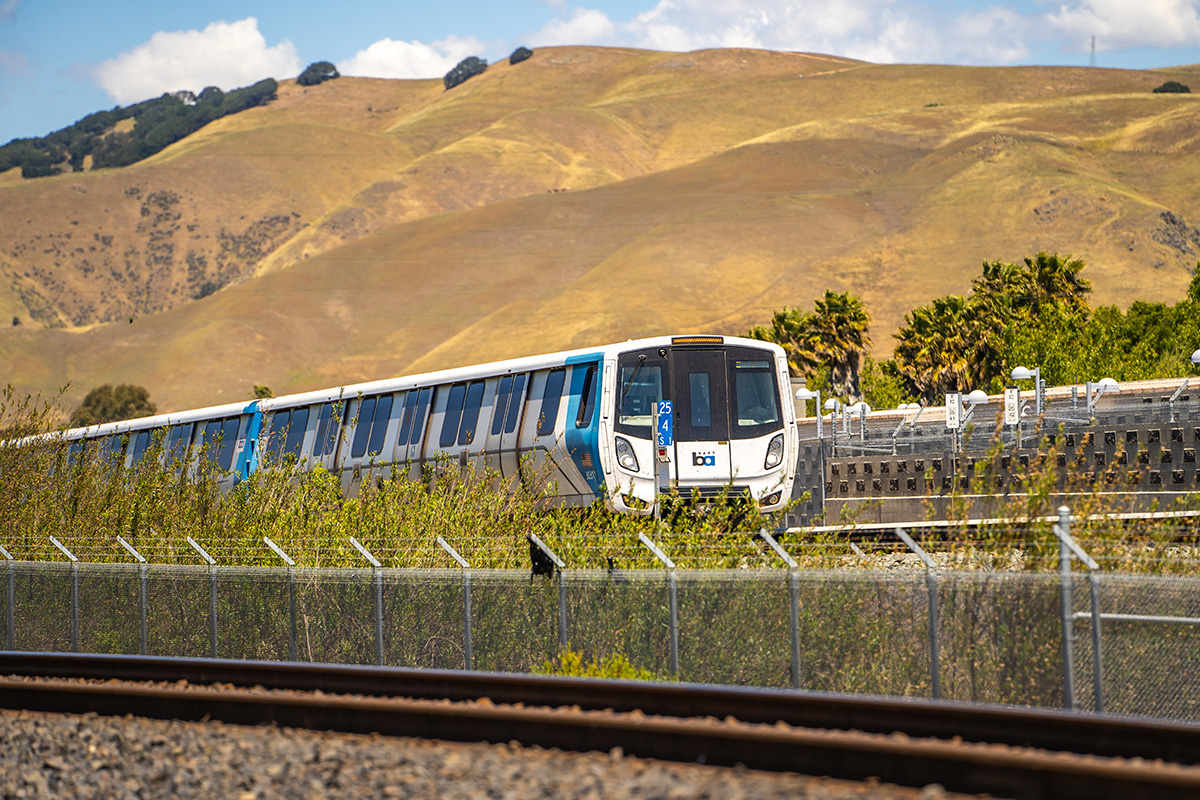
Today, BART is undergoing another period of renewal. Modernized train cars, earthquake resilience projects, and new service expansions reflect a continued commitment to innovation. And construction has begun to bring on a state-of-the-art Communications Based Train Control system that will overhaul BART’s aged computer that runs trains while increasing frequency and capacity to meet the needs of the region. As the East Bay grapples with population growth and shifting commuting patterns, BART’s future-focused investments will be essential to maintaining regional cohesion and economic vitality.
In its past and present, BART stands as a testament to what ambitious public infrastructure can achieve. It reshaped the East Bay physically, economically, and culturally—and its legacy of innovation continues to inspire new visions for a more connected and sustainable future.
###
About East Bay Economic Development Alliance: Founded in 1990, the East Bay Economic Development Alliance (East Bay EDA) was born out of the recognition by top leaders of the need to work together and tackle shared challenges. Today, East Bay EDA is a 150+ member organization that serves as the regional voice and networking resource for strengthening the economy, building the workforce, and enhancing the quality of life in the East Bay. The organization is a cross-sector, public-private partnership that promotes strategic economic development throughout Alameda and Contra Costa Counties. For more than 30 years, East Bay EDA has convened diverse networks of business, government, and community leaders who embrace the extraordinary value of our region as an unrivaled place to live, work, and do business.
About Bay Area Rapid Transit (BART): The San Francisco Bay Area Rapid Transit District (BART) is a heavy-rail public transit system that connects the San Francisco Peninsula with communities in the East Bay and South Bay. From the opening of service in 1972 to the present day, BART has provided fast, reliable transportation to downtown offices, shopping centers, tourist attractions, entertainment venues, universities, and other destinations for Bay Area residents and visitors alike. BART is the backbone of the region’s public transit system, accommodating people of all income levels as well as youth, seniors, and people with disabilities. The BART system is essential to the health of our region’s economy, connecting workers and businesses, and relieving regional traffic congestion. By reducing the need to drive, BART reduces emissions and air pollution, supporting a healthier environment. For more information, visit https://www.bart.gov/.